
It is common for people receiving palliative and end of life care to experience a loss of appetite which can, in turn, make it more difficult to know what to eat or drink. This is a natural process and we encourage the focus of eating and drinking at this stage of life to be for enjoyment rather than for nutrition.
This information sheet is designed to give you some ideas and suggestions to consider if you or someone you are caring for is experiencing a diminished appetite.
It is important to remember that trialling different options and working out what feels most comfortable may well be the best way forward.
Tips for preparing food and drink
Start with favourite foods
When planning meals, start with favourite foods as options, however be aware that taste can change and some people discover that they now find foods enjoyable that they would not usually have eaten.
If this is the case it could be that taste buds have changed, perhaps due to medication, treatment or the illness itself.
Reduce portion sizes and eat little and often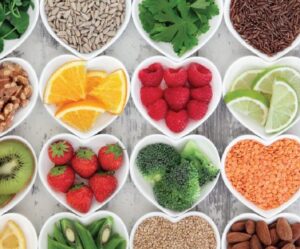
Due to a reduced appetite or fatigue it may be helpful to reduce portion size. Consider finger foods such as cubes of fresh fruit, jelly, or other foods that feel appetising. A little and often food plan with small portions of high energy foods and a frequency of 6-7 times a day may be easier to tolerate than 3 larger meals per day.
Add ingredients to boost nutritional content
Whilst preparing foods remember that cooking smells can be off-putting, and a small amount of alcohol with or after a meal can stimulate an appetite, and also be a normal activity that can be enjoyed. You could increase the nutritional content of food by adding in extra fats like oil, butter and margarine, using full fat milk and adding additional sugar, jam and honey to adapt food that is normally enjoyed in the most nourishing way possible.
Experiment with different flavours and textures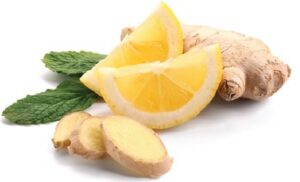
Use of supplements
Supplements may be prescribed by your GP or self purchased. Some people, however, do
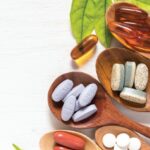
not enjoy the taste and find these off-putting, and others can feel full
very quickly. In addition, some people can experience gastrointestinal
symptoms such as abdominal distension, nausea and diarrhoea. Therefore, if these supplements are not palatable or suited to you, we would recommend continuing with regular food in the ways described above.
Potential risks when eating and drinking
When eating and drinking at this stage of life, there can be a few potential health issues to be aware of, along with things you can do to help avoid or minimise the risks.
Difficulty in swallowing
Some people can experience difficulty in swallowing either as part of their illness, or as their condition changes and they become less well. Signs of this can include coughing or choking when eating or drinking, being unable to chew foods properly, holding food in the cheeks, a wet or gurgling sounding voice and repeated chest infections.
What you can do
You can support these symptoms by adapting foods to a soft diet, using small amounts of food for each mouthful, allowing the person adequate time to swallow and ensuring the person eating is sitting in an upright position and awake and responsive for all food and drink.
If you suspect any of these symptoms are present, please speak to the team who will be able to advise further.
Blocked Bowel
In some illnesses people can experience an obstruction in their bowel. This can be there all the time, or in some cases can come and go. Symptoms can include feeling very bloated and full, pain in the abdomen that can come and go, feeling and being sick (sometimes vomit can look like undigested food) and not being able to have a bowel movement or pass wind. Different treatments may be discussed by the clinical team to treat this.
What you can do
At this time, clear foods such as jelly and clear soups can sometimes be tolerated in small amounts. A low fibre diet will reduce the amount of work the digestive system needs to do and allow the bowel to rest more. Vegetables can be eaten without skins or seeds, and well-cooked meat, poultry or fish, eggs and well-cooked pasta or noodles may help. It is advisable to limit whole grains, raw fruits, nuts, seeds and legumes, and limit or avoid completely, fatty foods and spicy foods that can cause irritation and discomfort. Caffeine, alcohol and fizzy drinks can make symptoms worse in some people. In general, soft, moist foods are easier to digest.
If you suspect any of these symptoms, please contact the team who will be able to support you to make the best decisions for your ongoing nutritional needs.
Eating and drinking towards the end of life
Often towards the end of life people experience less hunger and thirst, and the aim of eating and drinking now turns to that of comfort and enjoyment. This can be hard to see, and can make carers feel as if they are not doing enough to support. It is important to note that a reduced appetite, or even a desire not to eat or drink at all, is very common as the body prepares for death. At this time, in the last days and hours of life, mouth care can be provided to keep the mouth moist.
If you have any additional questions or concerns relating to your appetite or other symptoms, please do not hesitate to discuss these with a member of the Farleigh healthcare team caring for you.
Further information and resources
 Diet advice to manage a partial bowel obstruction
Source: BC Cancer Provincial Health Services Authority
Visit: www.bccancer.bc.ca
Search: Diet advice to manage a partial bowel obstruction

Bowel Obstruction – Learn more about the causes,
symptoms and treatment
Visit: www.darwyinhealth.com
Search: Article: Bowel Obstruction, Gabriel Van Der Berg,
February 26 2024
Useful Numbers:
General enquiries: 01245 457300
Inpatient Unit (IPU): 01245 457361
Advice Line: 01245 455478 (8am – 8pm)