
The impact of nurses caring for people in the community
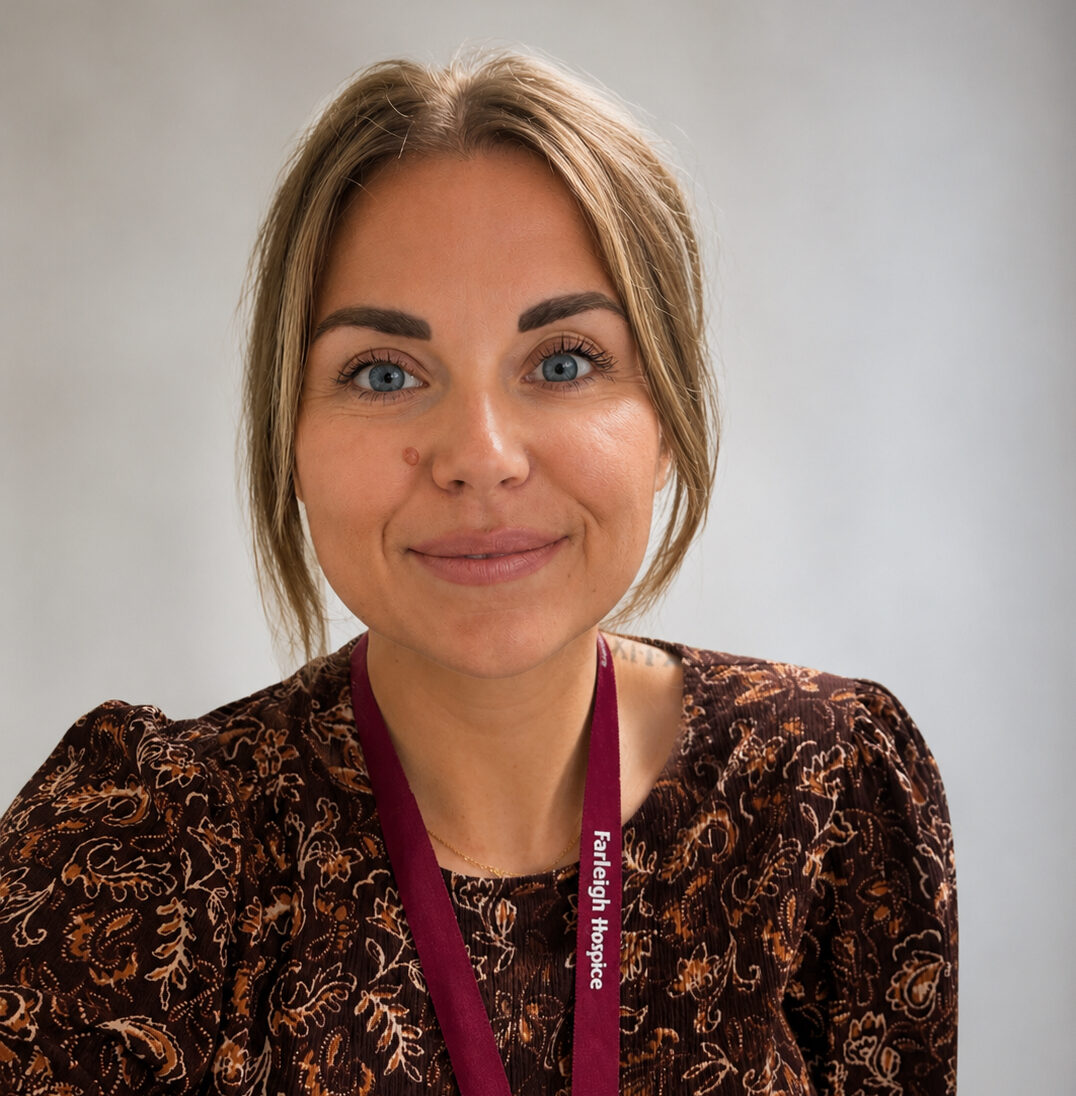
In celebration of International Nurse’s Day, we spoke to Amy Moss, Advanced Clinical Nurse Specialist (NMP) about why she loves caring for patients in their own homes and the impact of palliative and end of life nursing care in the community.
Preserving the person, not just the patient
Life-limiting illnesses can be difficult to deal with for many reasons, but Amy says the ‘secret source’ of palliative and end-of-life care is learning who the patient was before they became unwell.
“Preserving dignity and identity is just as important as managing symptoms,” she explains. “Sometimes that’s through very practical things – supporting someone to stay involved in family decisions or enabling routines like putting on their favourite perfume. Sometimes it’s simply sitting and listening to stories about what life looked like before.”
This ‘human’ side of nursing often outweighs the clinical checklist. Farleigh nurses have helped patients arrange “special days” – from driving a “Stig” car to visiting Harry Potter World – reminding families that joy doesn’t have to end with a diagnosis.
Breaking the ‘hospice’ taboo
The word ‘hospice’ still carries a heavy weight. Many families dread the first knock on the door, fearing it signifies the end. Building trust requires meeting families where they are.
“Trust builds when families realise, we’re there to empower people to live as well as they can for as long as they will,” says Amy. “By the end of a first visit, the atmosphere has usually changed. People admit they dreaded us coming but feel so glad we did.”
Decompressing between a difficult visit and the next one
Amy also values the small moments to reset that working within the community provides. “Sometimes I use the drive to reflect on a visit or to further my thoughts on my clinical management plan. Safe practice requires ongoing self-reflection. Driving through the villages of Essex gives you a moment of calm between emotionally intense situations.
“I’ve also learned the importance of small decompression habits – there is always a supportive colleague at the end of the phone or waiting for your return with the option to debrief, even just allowing yourself a minute to acknowledge that a visit was difficult before moving on’ adds Amy.
Amy’s source of strength
“For me, it’s the privilege of being trusted at such an important moment in someone’s life. Just like birth, it can be a vulnerable or uncertain time for patients and families.
Families are allowing us into their homes during some of their hardest days, and that trust and opportunity to make a positive difference is incredibly meaningful.
Of course there are difficult days, but there are also moments of enormous humanity, humour, honesty, and connection. You remember that what feels routine to us may be life-changing for a family.
You walk alongside patients from all sectors of society. You learn something new about people and the world every day.
And honestly, the team around you matters enormously. Hospice nursing is never really done alone. I feel very lucky to work with a team of likeminded, passionate and proactive people who all strive for the same goal for patients – comfort and dignity.”
The 2026 Shift: Bringing the hospice home
As we move throughout 2026, the “Hospice at Home” model has evolved significantly. What once required a hospital admission is now being managed in the living room.
Key advancements in community care:
· Managing complex symptoms directly in the home to prevent unnecessary hospital stays.
· Using electronic prescribing and remote consultations to provide rapid support, even in remote villages in mid Essex.
· Specialist nurses now have a stronger voice in clinical decision-making and advanced symptom management through Advanced Clinical Practice.
Looking towards to 2030, the vision for nursing is even more community based. While technology like virtual monitoring will play a larger role, the consensus remains: AI and digital records can never replace the human side of nursing.
A message to future nurses
For student nurses entering the field, the message from Amy is clear: never underestimate the power of presence. “You may not always be able to change the outcome, but you have the power to completely change how someone feels during the hardest moments of their life.”
For more information about the work of our community teams, click here.
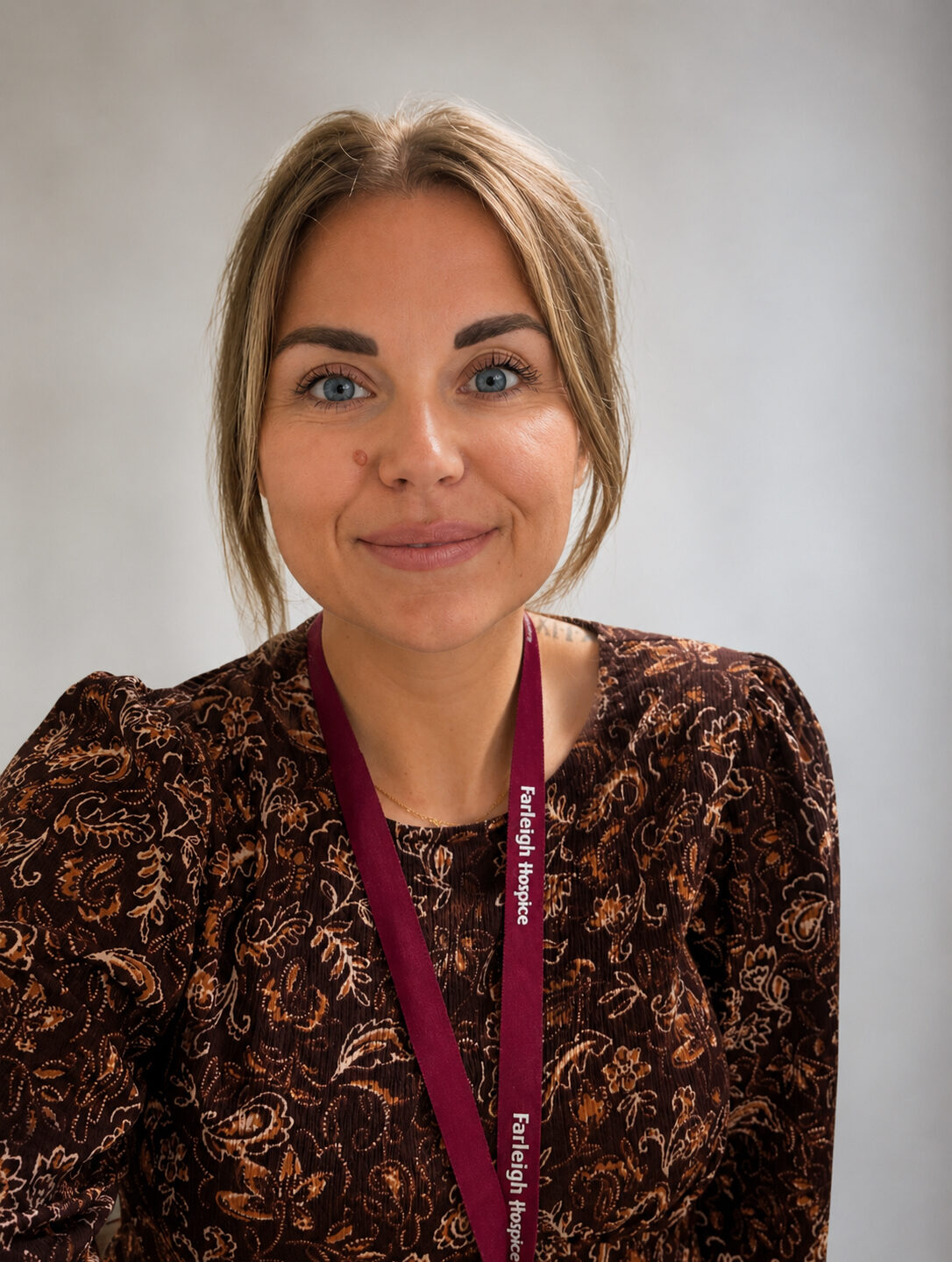
"Some of the most important nursing care happens quietly, behind ordinary front doors, every single day. People are people, deserving of care, kindness, and dignity – whoever and wherever they are."Amy Moss – Advanced Clinical Nurse Specialist (NMP)