
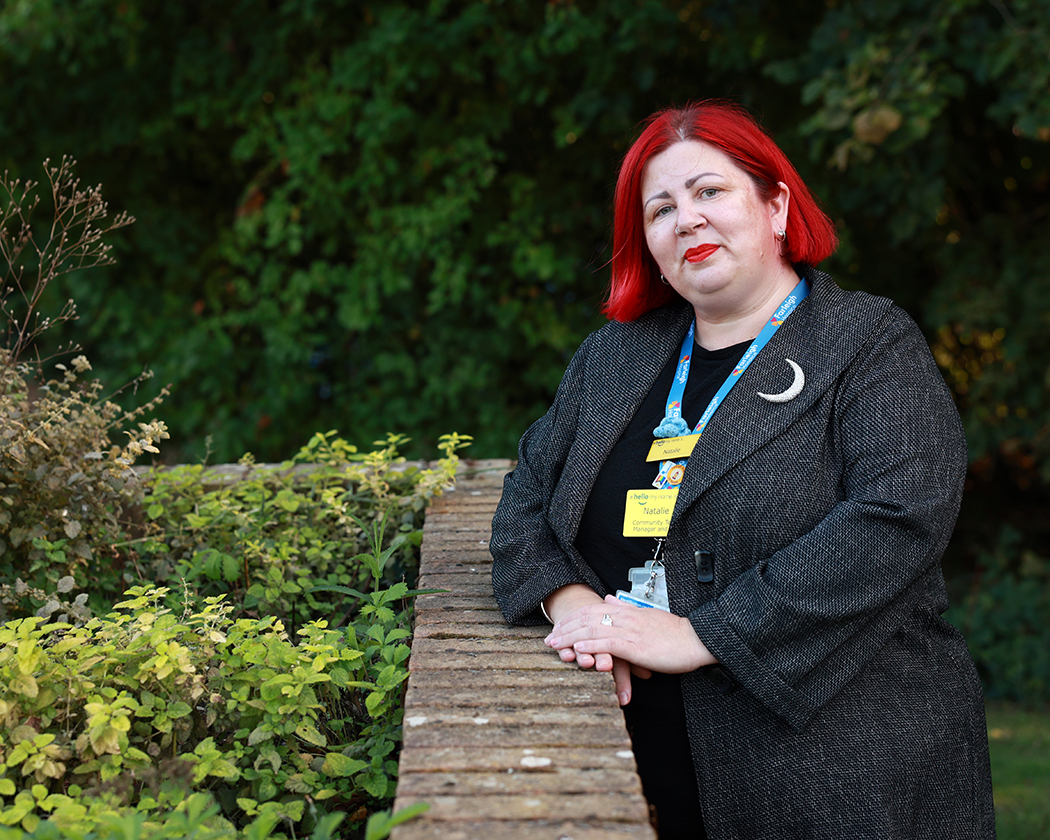
At Farleigh Hospice, we are proud to be part of this campaign.
To explore what this means in practice, we spoke with Community Team Manager and Registered Nurse Natalie Sims-Dunbar about the reality of hospice care and the difference community support makes every day.
Natalie has many years’ experience in adult nursing, oncology and chemotherapy nursing before moving into hospice care, and has worked at Farleigh Hospice in a variety of roles throughout her career.
What good care means
“For me, good care is about making sure patients feel safe, listened to and cared for as individuals,” Natalie says. “It is taking the time to understand what is important to them and supporting them to achieve their wishes, especially at what can be one of the most important times in their lives.”
She explains that hospice care is not only about managing symptoms, but also about emotional support, honest conversations, and helping people maintain dignity and choice.
“Supporting patients also means supporting the people important to them, including families, carers, friends, and loved ones,” she says. “Hospice input affects the whole family, not just the individual receiving care.”
What makes hospice care different
“Farleigh Hospice is a very special place. We have an exceptionally dedicated workforce who genuinely care about the people we support,” she says. “There is a shared commitment to helping patients live as well as possible, while also ensuring they feel safe, respected, and supported.”
For Natalie, this combination of clinical expertise, compassion, and person-centred care is what makes hospice care unique.
She also reflects on how care is experienced by families.
“For me, success is reflected in how safe, supported and reassured patients and families feel when receiving Farleigh care.”
Families often describe feeling safe knowing Farleigh is involved, knowing who to contact, and feeling listened to during difficult times. That reassurance and trust is central to her understanding of good care.
It extends to the hospice itself. Natalie says patients, families and visitors frequently describe Farleigh as a calm, safe and happy place – something she feels reflects the culture the team has built and the compassion of staff and volunteers alike.
Care in practice
Natalie’s work within the Hospice Rapid Access Service (HRAS) often focuses on helping people be in their place of choice at the end of life, whether that is at home or in the inpatient unit.
For her, some of the most meaningful moments come from supporting families through some of the most important and emotional times in their lives.
“I have been incredibly lucky and privileged throughout my career to experience many moments that have stayed with me,” she says.
Over her 17 years in nursing, she has received many messages of thanks from patients and families for the care, support and compassion they received during difficult times.
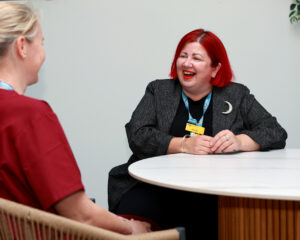
Some of her proudest moments have been supporting families to have important conversations with their loved ones at the end of life. These discussions can be incredibly difficult, but she says they often bring comfort, understanding and the opportunity for families to say what they need to say. It is these human moments, she explains, that continue to motivate her every day.
One family shared their experience after Natalie supported their father to die at home, exactly as he’d wished. They described the confidence they felt in her care, and the trust it gave them during an incredibly difficult time.
“I wanted to say a big thank you for your help getting Dad home. I had such confidence in you as I could see you were competent in what you were doing. I had to intervene so often with Dad’s care before, but I trusted you completely. Thank you for the love you showed my mum and Dad. He passed away peacefully with my mum, myself and my brother there. Thank you for being part of Dad’s journey. Keep being you, you make such a huge difference.”
For Natalie, moments like this reflect the heart of hospice care, ensuring people are supported to be where they want to be, surrounded by the people who matter most to them.
The role of community support
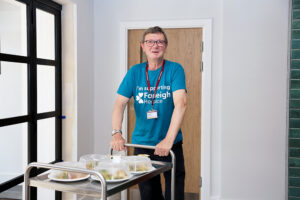
Natalie is clear that hospice care is only possible because of community support.
“Donations are vital to everything we do at Farleigh Hospice,” she says. “They contribute to the day-to-day running of our services and help ensure we can continue to provide high-quality care.”
“Our volunteers generously give their time, skills, and compassion, playing an invaluable role across the hospice,” she adds.
She’s also clear that longer-term support, including gifts in Wills, plays an important role in helping secure care for the future. Without this support, she says, Farleigh Hospice would not be able to provide the breadth and quality of care it is known for.
Why gifts in Wills matter
“One of the most important things to protect for patients and families in the future is truly person-centred care,” she says. “Every patient is unique, with their own wishes, values, and priorities, and it is essential that we continue to place those at the heart of everything we do. As services evolve and demands increase, it is important that we never lose sight of the individual behind the diagnosis.”
One of the most powerful ways to support that future is through a gift in your Will.
“Every donation, fundraising event, volunteer contribution, and gift left in a Will helps ensure that patients and families continue to receive compassionate, specialist care when they most need it,” Natalie says.
She explains that leaving a gift in a Will is about creating something lasting.
“Leaving a gift in a Will is a way of creating a lasting legacy. It helps protect hospice services now and for future generations. The reality is that our community needs a hospice, and future hospice care depends on the generosity and support of that community.”
Leave a gift in your Will
If you are considering leaving a gift in your Will, you can request more information by clicking the button below.
If you have already included Farleigh Hospice in your Will, we would love to hear from you so we can thank you and ensure your wishes are recorded.
Thank you for helping to make sure hospice care is there for all, for now, forever