
This Hospice Care Week (5-11 October), hospices across the UK are highlighting an important reality: nearly one in three people don’t get the care they need at the end of their lives, and where you live affects your chance of getting the right support. This year’s national theme, ‘Don’t leave hospice care to chance’, is a call to change that.
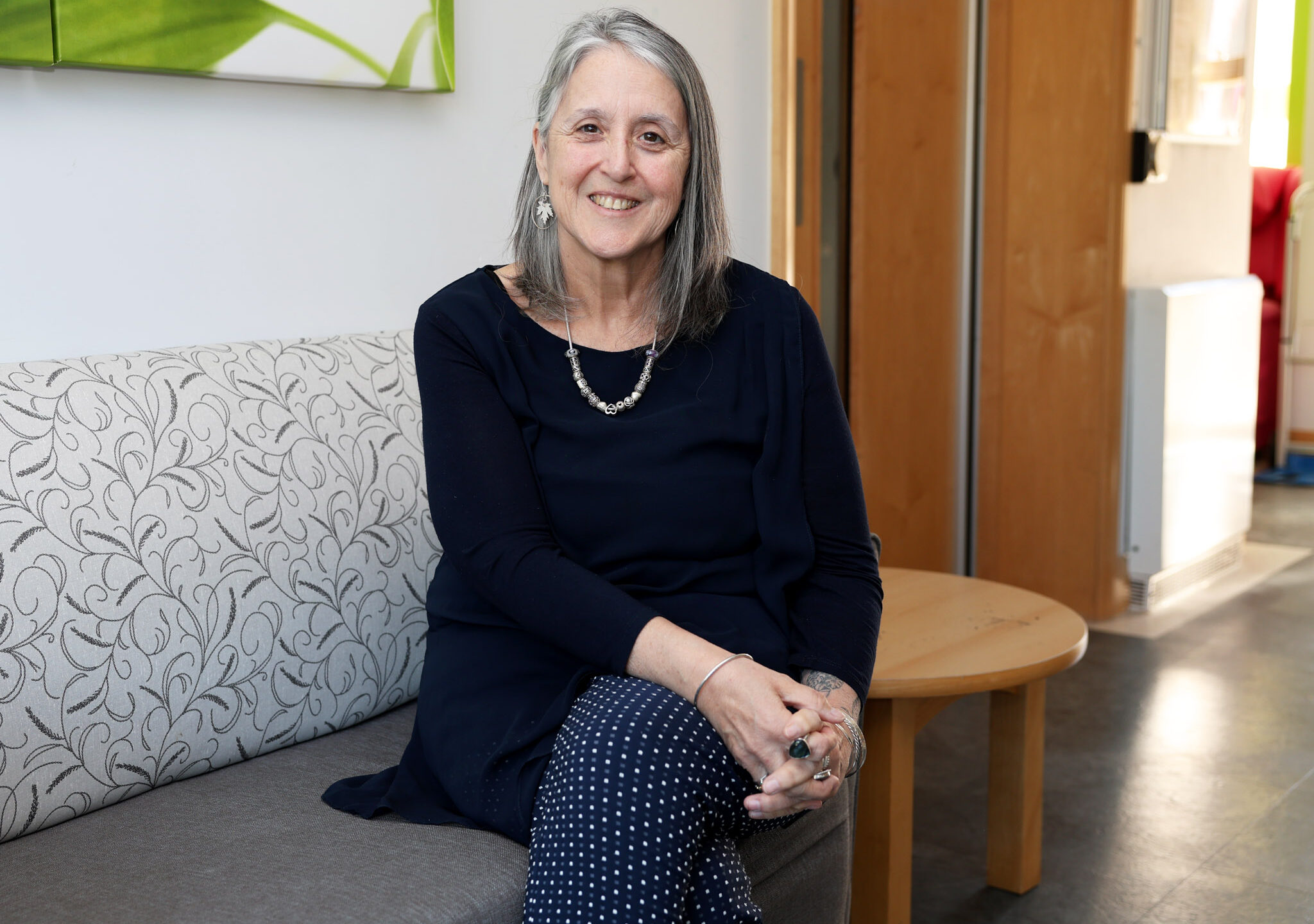
We sat down with Michelle Kabia, Chief Executive of Farleigh Hospice, to talk about what this means for local people and families, and what needs to change.
Why is protecting hospice care so important right now?
“Demand for specialist palliative and end of life care is growing, yet the capacity to provide that care is under increasing financial pressure. We have to recognise the potential consequences of that gap.”
Most people assume hospice care is funded by the NHS. What’s the reality?
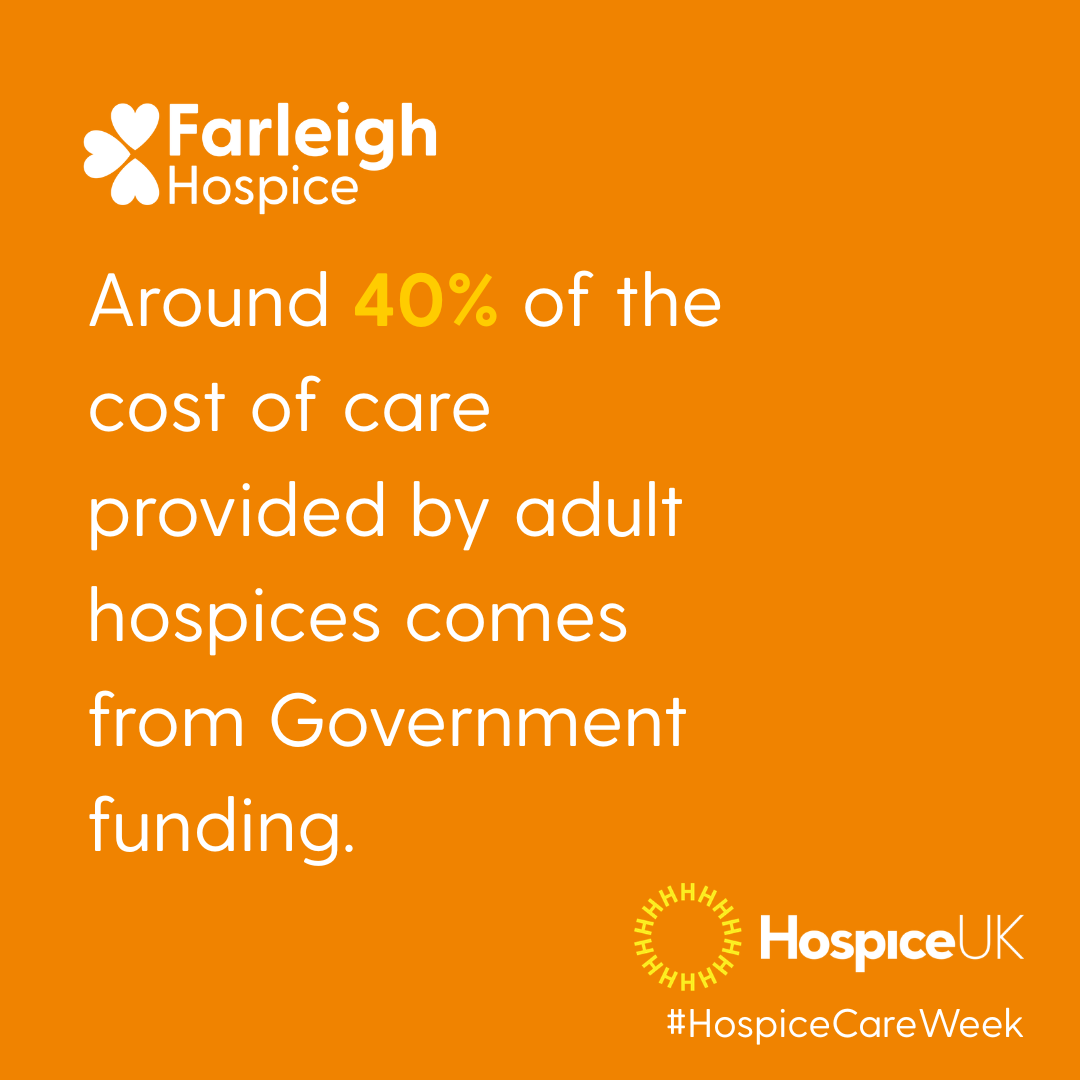
“Hospice care is not fully funded by the NHS. Hospices are independent charitable organisations, and while we receive statutory funding towards some of the services we provide, this does not cover the full cost of delivering specialist palliative and end of life care.
At Farleigh Hospice, charitable income makes it possible for us to provide and sustain services beyond the level that statutory funding alone would support. That generosity from our community is incredibly important, but it also means that access to essential care can become dependent on a hospice’s ability to generate charitable income.
“We believe there needs to be a sustainable partnership between the NHS and the hospice sector, so that people can access high-quality specialist care because they need it, rather than because their local community has been able to raise enough money to fund it.”
What’s the impact of the current funding model on hospices like Farleigh?
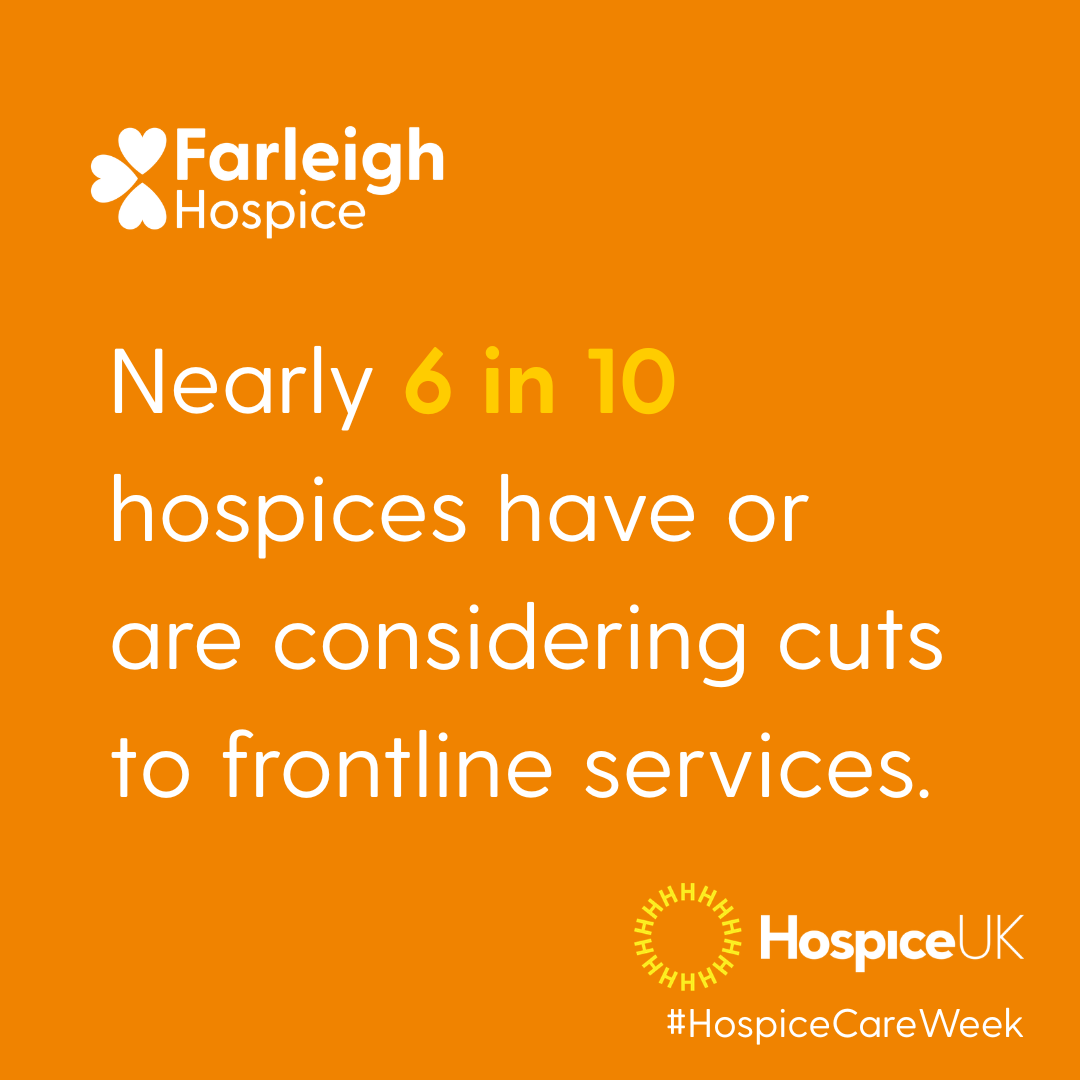
“Like many hospices across the country, Farleigh Hospice is facing unprecedented financial pressures. Insufficient statutory funding, rising employment and care costs, and pressure on charitable income are placing significant strain on our ability to sustain services.
Earlier this year, we had to make very difficult decisions to protect the hospice’s long-term future. Following consultation, 17 roles were made redundant across support and frontline services. We have protected core specialist palliative and end of life care, including care at home and on our Inpatient Unit, but regrettably reduced bereavement services for children and young people. These decisions were deeply difficult, but necessary to keep Farleigh Hospice financially sustainable and able to support local people and families for years to come.”
This year’s theme is “don’t leave hospice care to chance”. What does “chance” really mean for someone needing care?
“For someone living with a life-limiting illness, access to specialist hospice care shouldn’t depend on their postcode, the circumstances of their local hospice or how successful a charity has been at fundraising that year. People should be able to access the right care according to their needs, when they need it.
Hospices will always have an important role to play in our communities and charitable support will remain incredibly valuable. But we need a sustainable funding partnership with the NHS so that charitable fundraising can enhance hospice care, rather than being relied upon to sustain essential care.”
-
1 in 3
people are unlikely to receive appropriate palliative care
-
90%
Could benefit from palliative care
As many as 90% of people who die in the UK could benefit from palliative care.
-
1 in 4
People dying without the care they need
One in four people in the UK die without the care and support they need.
Hospice care relies heavily on charitable income, and government funding varies significantly between areas. Together, that can mean a “postcode lottery”, where the level of care available depends on where you live rather than what you need. Can you explain that for us: how much of it comes down to local fundraising capacity, and how much comes down to how NHS and ICB funding is allocated?
“There are two connected issues. Hospices have different levels of statutory funding, and the proportion of the cost that is covered by that funding varies significantly. At the same time, hospices have very different communities, fundraising potential and levels of charitable income.
That means two people with similar clinical needs can potentially have very different access to hospice services depending on where they live. We should be moving towards a system where the level of statutory support reflects the cost of providing the specialist care that people need, while recognising the additional value that charitable income brings.
We don’t want to lose the incredible relationship between hospices and their communities. But we shouldn’t have a situation where the sustainability of essential healthcare is fundamentally dependent on how much a local charity can raise.”
Are there particular groups of people who aren’t accessing hospice care as much as they should be, and if so, what’s behind that?
“Yes. We know that hospice care is not accessed equally by everyone who could benefit from it. There are communities and groups who can face additional barriers, including people from some ethnically diverse communities, LGBTQ+ people, people with learning disabilities, people experiencing homelessness, and people living with non-cancer conditions.
Sometimes the barrier is awareness. People may not realise that hospice care is not just about the last days of life, or that our services can support people much earlier in their illness. There can also be cultural, communication, practical and financial barriers, or a perception that hospice care is not ‘for people like me’.
One of our priorities at Farleigh is therefore to take our services into the community, build trust and make sure people understand what support is available. Equity isn’t simply about offering the same service to everyone; it’s about understanding what different communities need to be able to access that support.”
If a hospice doesn’t have the funding or capacity to take on everyone who needs support, what typically happens to those people?
“It depends on the person’s circumstances and the nature of their needs. If someone cannot access hospice support, care will usually continue through other parts of the health and care system, such as community nursing, primary care, social care or hospital services.
The concern is that where specialist hospice input is unavailable when it is needed, people and families can reach crisis point. Symptoms may become more difficult to manage, carers can become overwhelmed and, in some circumstances, the person may end up requiring an emergency admission to hospital.
That is why we need to think about hospice care not simply as a service for the very end of life, but as part of the wider system of prevention, early intervention and support for people living with complex needs.”
What happens when someone can’t access hospice support in time?
When someone with complex palliative care needs cannot access the right support at the right time, there is a real risk that their needs escalate and they end up in an acute hospital bed when hospital is not the right place for them.
“Once someone with complex needs is admitted to hospital, getting them safely back home can be much more difficult. Their needs may have increased, families may have lost confidence, and the community support required to enable discharge may not be immediately available.”
What does hospice care actually give people and their families that they can’t get elsewhere?
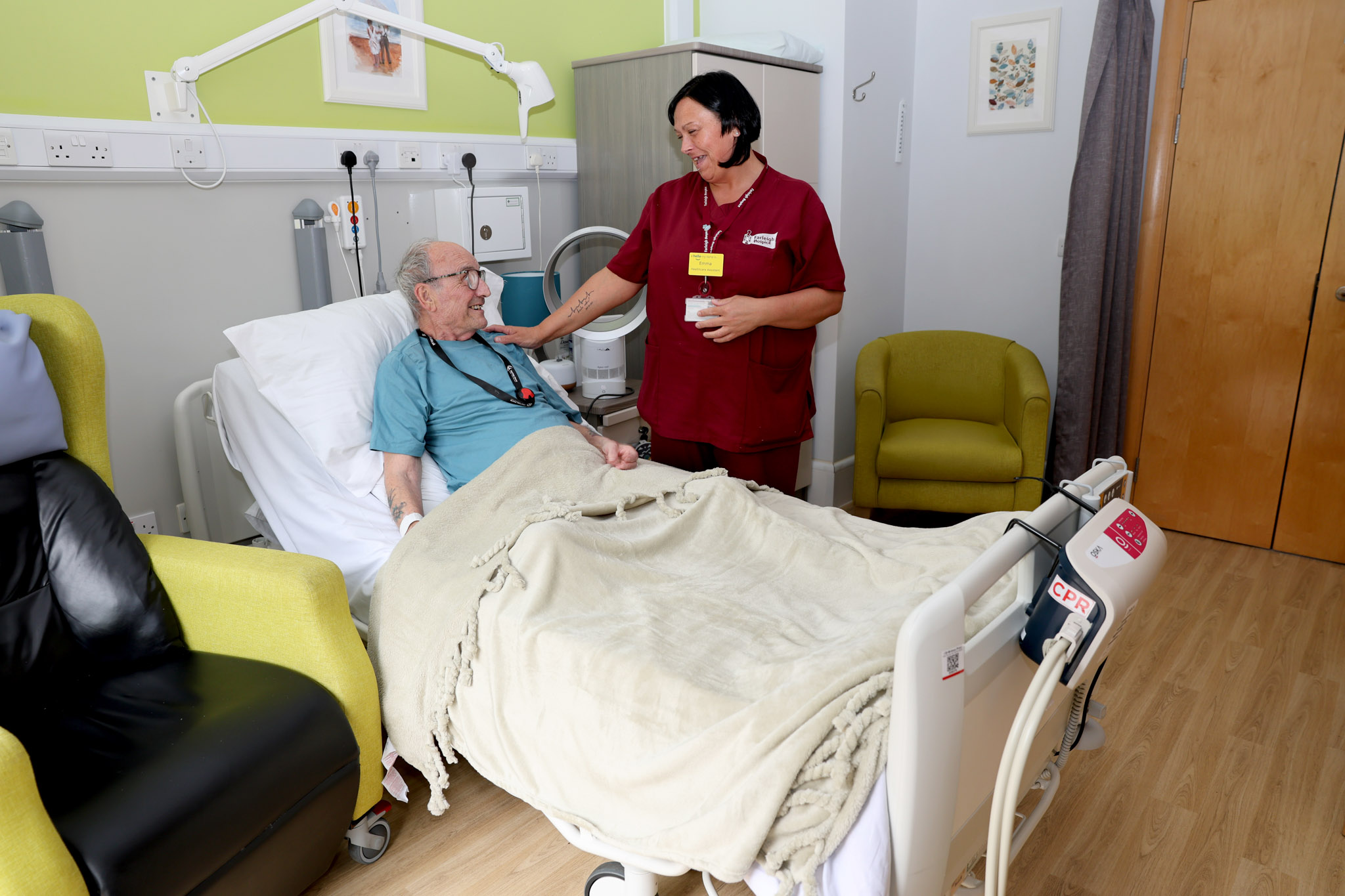
“Hospice care is about much more than a building or a bed. It’s about having specialist professionals who understand the complexity of living with a life-limiting illness and can support the whole person, as well as the people around them.
That might mean helping someone manage difficult symptoms, supporting them emotionally, helping families and carers feel more confident, or having honest conversations about what matters most to them. It can also mean helping someone stay at home for longer, or supporting them to die in the place they choose when that is clinically appropriate.
For many families, simply knowing that there is someone they can turn to when things become difficult makes an enormous difference. Hospice care brings specialist expertise, but it also brings time, compassion and confidence at what can be one of the most difficult periods in a person’s life.”
What do people tell you they want when it comes to end of life care?
“Most people tell us very clearly that, when the time comes, they would prefer to be cared for and die either at home or in a hospice rather than in an acute hospital.
Our job as a health and care system should be to make that choice possible wherever it is clinically appropriate.”
How does hospice care fit into the wider NHS system?
“Hospice care is such an important part of the wider NHS system. Early specialist intervention can help people manage complex symptoms, support families and carers, and reduce the risk of an unplanned hospital admission in the first place.”
What’s at stake if hospice capacity keeps reducing?
“If hospice capacity reduces while demand continues to grow, the need for care does not disappear. It risks showing up somewhere else in the system, often at the point of crisis.”
What needs to change so hospice care is there for everyone who needs it, now and in the future?
“We need a more sustainable and equitable funding model for hospice care, alongside much closer integration between hospices, the NHS and other community services.
Hospices need greater certainty about the statutory funding available to provide specialist palliative and end of life care. That would allow us to plan for the future, invest in our workforce and develop services around the needs of our communities, rather than continually having to manage financial uncertainty.
We also need to shift the way we think about palliative care, from something that happens predominantly at the end of life to an important part of supporting people earlier, helping them live well with a life-limiting illness and preventing avoidable crises.
If we get that right, hospices aren’t simply another service within the system. We can be an important part of the solution to some of the pressures facing health and social care.”
What do you want to see happen next?
“We want to work with our NHS partners to prevent that happening and ensure people receive the right care, in the right place, at the right time.
I want us to move from a situation where access to hospice care can depend on chance to one where people can expect equitable access based on their needs.
That means hospices, the NHS and communities working together. We need sustainable funding, better integration of services and a greater understanding of what hospice care can offer, not just in someone’s final days, but throughout their experience of living with a life-limiting illness.
At Farleigh, we want to be part of that solution. We will continue to work with our NHS and community partners to develop services that help people live well, stay well and die well, with the support they need and in the place that is right for them.
Ultimately, this is about making sure that when someone is facing a life-limiting illness, they and their family don’t have to leave getting the right care to chance.”
This Hospice Care Week, Farleigh Hospice is joining hospices across the UK to say hospice care shouldn’t be left to chance. Find out more about our work, and how you can support us, here.